
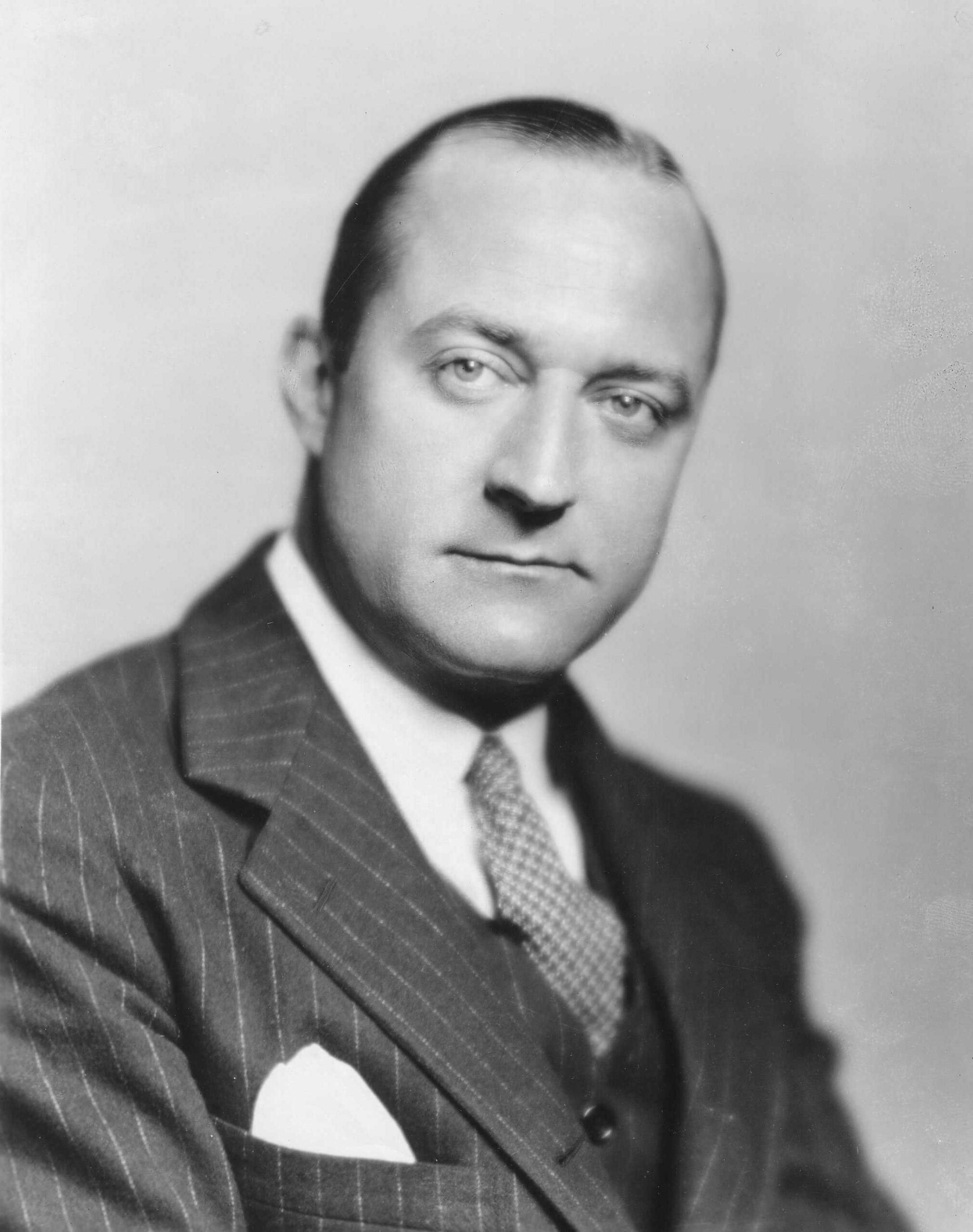
Henry Hazlitt (1894-1993) was an American journalist for several national publications, author of several books, most notably Economics in One Lesson, and an advocate for classical liberal economic policy.
Hazlitt was born in Philadelphia but moved to Brooklyn at a young age. As a teenager, Hazlitt began working at The Wall Street Journal where he worked as a secretary. It was there he became fascinated with furthering his own self-education with regards to economics, in particular. In his first book entitled, Thinking as a Science he writes:
“Every man knows there are evils in the world which need setting right. Every man has pretty definite ideas as to what these evils are. But to most men one in particular stands out vividly. To some, in fact, this stands out with such startling vividness that they lose sight of other evils, or look upon them as the natural consequences of their own particular evil-in-chief.
To the Socialist this evil is the capitalistic system; to the prohibitionist it is intemperance; to the feminist it is the subjection of women; to the clergyman it is the decline of religion; to Andrew Carnegie it is war; to the staunch Republican it is the Democratic Party, and so on, ad infinitum.
I, too, have a pet little evil, to which in more passionate moments I am apt to attribute all the others. This evil is the neglect of thinking. And when I say thinking I mean real thinking, independent thinking, hard thinking.”
Hazlitt served in the Armed Forces during 1918 before returning to New York. While working as an editor for a local newspaper, Hazlitt befriended and engaged with several economists and academics. He continued writing, working for smaller publications until landing at The New York Times (NYT) in 1934, where he served until 1946. During this time, Hazlitt remained outspoken, writing columns about various economic topics and often openly opposing increased government regulation of the economy in regards to both monetary and fiscal policy. He later worked for Newsweek after leaving the NYT.
Hazlitt played a key role in garnering an American audience for F.A. Hayek’s The Road to Serfdom and helped Ludwig Von Mises secure a professorship in the US. Hazlitt also helped found the Foundation for Economic Education (FEE) and was friends with Ayn Rand.
According to Wikipedia, Hazlitt authored 25 works during the course of his life but none was more important than his legacy-defining 1946 book, Economics in One Lesson. In it, Hazlitt makes an explanatory and convincing argument for free-market ideas and laissez-faire capitalism that is still just as effective today. Critically acclaimed by some of the most well known classical economists, it effectively explained ideas such as price theory, tariffs, and free trade, amongst other economic principles. Economics remains the #1 best seller in Amazon’s discography of Economics-related books today.
For his words, staunch defense of classical liberalism, and for being a leading voice in America’s fight for economic freedom, Hazlitt is this week’s Hero of Capitalism.
Sources:
Wiki entry
Economic Insights